

Multi-line text content element
Rich text content can be parsed after binding data HTML language content
API 610 BB4 pump—MC high-pressure stage casing pump—can serve as a replacement for pumps from brands such as Sulzer, Flottweg, ITT, KSB, SIGMA, and Ebara.
BB4 Type API 610 Radially Split Multistage Chemical Centrifugal Pump High-pressure reciprocating pumps are typically used in medium- and small-flow, high-pressure applications and can, to a certain extent, replace high-speed pumps and multistage pumps. Maximum Performance Parameters of the BB4 Pump Maximum flow rate: approximately 3,200 m³/h (14,000 GPM) Maximum head: up to 3,500 meters (11,500 feet) Maximum working pressure: up to 400 bar (5,800 psi) Maximum operating temperature: up to 200°C (400°F) Our company’s high-pressure reciprocating pumps have been successfully applied in fertilizer plants for carbamate pumps, liquid ammonia pumps, and dimethylamine pumps, as well as in BDO units for BYD high-pressure feed pumps and in hydrogenation units for high-pressure water injection pumps, with a maximum flow rate of 100 m³/h and a maximum discharge pressure of 50 MPa. Huasheng Pump & Valve has conducted extensive research on the structure of reciprocating and diaphragm pumps and has obtained “multiple invention patents.” The company’s newly launched products—including high-pressure reciprocating pumps for chemical hydrogenation and water injection, BYD feed pumps for BDO units, slurry pumps specifically designed for coal-water slurry, and high-pressure diaphragm pumps—have fully achieved import substitution and filled domestic market gaps. Media: Seawater, condensate, chemical process fluids Flow rate: Up to 500 m³/h (2,200 GPM) Head: Up to 1,500 meters (4,920 feet) Temperature: From –20°C to 300°C (–4°F to 570°F) Pressure: Up to 250 bar (3,625 PSIG) Rotational speed: / API Model Code: API 610, 11th Edition, BB4
Key words:
horizontal multistage pump
Classification:
Product Description
BB4 Type API 610 Radially Split Multistage Chemical Centrifugal Pump
High-pressure reciprocating pumps are typically used in applications with medium to small flow rates and high pressures, and can, to a certain extent, serve as substitutes for high-speed pumps and multistage pumps.
Our company’s high-pressure reciprocating pumps have been successfully deployed in fertilizer plants for methylamine pumps, liquid ammonia pumps, and dimethyl ether pumps, as well as in BDO units for BYD high-pressure feed pumps and in hydrogenation units for high-pressure water injection pumps. These pumps achieve a maximum flow rate of 100 m³/h and a maximum discharge pressure of 50 MPa.
Huasheng Pump & Valve Co., Ltd. has obtained “multiple invention patents” in the field of research on reciprocating and diaphragm pump designs. The company’s newly launched products—including high-pressure reciprocating pumps for chemical hydrogenation and water injection, BYD feed pumps for BDO plants, slurry pumps specifically designed for coal-water mixtures, and high-pressure diaphragm pumps—have fully replaced imported counterparts and filled critical domestic market gaps.
-
Media:
Seawater, condensate, chemical materials -
Process:
Up to 500 cubic meters per hour (2,200 gallons per minute) -
Head:
Up to 1,500 meters (4,920 feet) -
Temperature:
From -20 to 300°C (-4 to 570°F) -
Pressure:
Up to 250 bar (3,625 psi gauge) -
Speed:
/ -
API type code:
API 610, 11th Edition, BB4 -
Maximum Performance Parameters of the BB4 Pump
The maximum flow rate is approximately 3,200 cubic meters per hour (14,000 gallons per minute).
The maximum service ceiling is 3,500 meters (11,500 feet).
The maximum working pressure can reach 400 bar (5,800 psi).
The maximum operating temperature can reach 200°C (400°F).
BB4 Type API 610 Radially Split Multistage Chemical Centrifugal Pump
API 610 BB4 Multistage Centrifugal Pump with Interstage Bearings
Product Attributes:
Maximum head: >150 meters
Maximum flow rate: >400 L/min
Drive Type: Motor
Number of impellers: multistage pump
Impeller inlet type: single-suction pump
Pump shaft position: horizontal pump
Installation height: suction inlet centrifugal
Impeller type: Closed
Transport packaging: wooden crate
Specification: API 610 Standard


Place of Origin: Dalian, Liaoning Province, China
Size: DN800
Flow rate: ~800 cubic meters per hour
Altitude: ~1200 meters
Temperature: -80~180°C
Pressure: ~15 MPa
Construction characteristics:
Horizontal, radially split, sectional ring for multistage centrifugal pumps with interstage bearings.
Application:
Suitable for water supply plants, heating and energy plants, boilers, and other high-pressure industrial applications; the medium temperature and pump material must be considered comprehensively.
Materials:
Carbon steel; chrome-plated steel; austenitic stainless steel; duplex steel; titanium and titanium alloys; Hastelloy C-276 and other specialty materials; the specific material selected shall be determined in accordance with customer requirements.
| S-5 | S-6 | C-6 | S-8 | A-7 | A-8 | D-1 | D-2 | |
| Housing | Cast steel | Cast steel | CA15/CA6NM | Cast steel | Australian SS | 316 AUS | Duplex | Super Duplex |
| Impeller | Cast steel | 12%CR | CA15/CA6NM | 316 AUS | Australian SS | 316 AUS | Duplex | Super Duplex |
| axis | AISI4140 | AISI4140 | SS420 | 316N | Australian SS | 316N | 2205 | 2507 |
| Wearing a ring | 12%CR | 12%CR | 12%CR | 316 Hard Surface | Australian SSHard is facing | 316 Hard Surface | Double-sided hard coating | Super Bipolar To put on a stern face |
| Bearing housing | Cast steel | Cast steel | Cast steel | Cast steel | Cast steel | Cast steel | Cast steel | Cast steel |
Product Overview:
- Our API 610 BB4 pumps are multistage, mid-open, radially split, single- or double-suction, bearing-supported pumps.
- The pump and motor are connected by a flexible coupling and mounted on the same baseplate.
- This pump is designed in two structural configurations: a tandem configuration with a balance piston, or a back-to-back (opposed) impeller configuration.
- Due to the design of the annular-section casing, the rotor assembly can only be removed by dismantling the piping.
Features:
- Annular cross-section sleeve.
- Both base-mounted and centerline-mounted configurations are available, with flexible arrangement of the pump’s suction and discharge ports.
- The pump extends its service life when operating within the high-efficiency range and features advanced cavitation margin characteristics.
- API 682 seal chambers are compatible with a variety of seal types and piping arrangements.
- Automatic axial force balancing.
Application:
- The boiler feedwater operating condition can reach up to 180°C.
- Condensate Services for Power Plants and Industrial Facilities
- Seawater Desalination (Reverse Osmosis)
- Auxiliary Services in Combined-Cycle and Industrial Power Plants
- Enhance
Core Structural Features of the MC Series Multistage Pumps
The MC series design perfectly embodies the classic and reliable characteristics of traditional sectional multistage pumps, with its core structure comprising the following key components:
MC High-Pressure Casing Pump
This product series comprises core equipment specially designed by Sulzer for power plants and industrial high-pressure systems, typically used in boiler feedwater and condensate systems.

Supplementary Notes on M-Series Parameter Items (MC Pump)
The maximum flow rate is 1,860 cubic meters per hour, which can meet the medium- and high-flow water supply requirements of the power plant.
The core advantage of a head of up to 1,750 meters is its ability to deliver exceptionally high head pressure, thereby meeting the demands of high-pressure applications such as boiler feedwater.
The maximum pressure is 180 bar, with an exceptionally high pressure rating that fully complies with the design code requirements for high-pressure systems.
The maximum applicable temperature is 180°C, suitable for water supply temperatures.
The maximum outlet diameter is 350 mm, and outlets of different sizes can be selected based on flow requirements.
With a maximum speed of 4,000 rpm, it enables higher operating speeds.
Core applications include boiler feedwater, NOx reduction injection, power plant condensate, reverse osmosis seawater desalination, and high-pressure industrial water, with widespread use in gas combined-cycle power generation, biomass power generation, solar power generation, and general industrial sectors.
Core Advantages: The MC-type high-pressure multistage pump features a modular design that optimizes net positive suction head through the use of a double-suction impeller in the first stage, and offers two axial thrust balancing options—balance drum plus thrust bearing or balance disc—to meet diverse operating conditions.
3. Summary and Distinction
The specific model of the “Sulzer MC pump” you are interested in depends on your application:
When used in the pulp and paper industry, it refers to the MCE™ medium-concentration pump. This pump is characterized by high flow rates, moderate to low head, and is equipped with degassing technology.
When used in power plants or high-pressure industrial systems, it refers to MC-type high-pressure multistage pumps, which are characterized by extremely high head, very high pressure, and a sectional design.
For further confirmation, please refer to the product nameplate or specific model number, or let me know your application scenario, and I will assist you in making a more accurate assessment.
API 610 BB4 Multistage Centrifugal Pump with Interstage Bearings
Product Attributes:
Maximum head: >150 meters
Maximum flow rate: >400 L/min
Drive Type: Motor
Number of impellers: multistage pump
Impeller inlet type: single-suction pump
Pump shaft position: horizontal pump
Installation height: suction inlet centrifugal
Impeller type: Closed
Transport packaging: wooden crate
Specification: API 610 Standard
Trademark: Dalian Kehuan Pump Industry Co., Ltd.
Place of Origin: Dalian, Liaoning Province, China
Size: DN800
Flow rate: ~800 cubic meters per hour
Altitude: ~1200 meters
Temperature: -80~180°C
Pressure: ~15 MPa
Construction characteristics:
Horizontal, radially split, sectional ring for multistage centrifugal pumps with interstage bearings.
Application:
Suitable for water supply plants, heating and power plants, boilers, and other high-pressure industrial applications; the medium temperature and pump material should be considered comprehensively.
Structural Features and Design Essence
1. Radial Segmentation and Modular Design: The pump casing is composed of multiple stages—each including an impeller and a diffuser—arranged in series along the axial direction and secured by long-bolt connections. This design enables the pump to operate under high-head conditions and allows for flexible performance adjustment by adding or removing stages.
2. Dual volutes or annular diffusers are typically provided in each stage, which can effectively balance radial forces, reduce shaft deflection and bearing loads, ensure smooth operation, and extend service life.
3. Shaft and Balancing Device • High-Strength Shaft: Supports multi-stage impellers and is precisely engineered to avoid critical speeds.
Automatic balancing mechanism: Utilizes a balance drum or a combination of a balance drum and a balance disc, achieving excellent axial force balance and thereby reducing the load on the thrust bearing.
4. The bearing and lubrication system shall employ heavy-duty sliding bearings or high-precision rolling bearings to provide stable support, and shall be equipped with either forced lubrication or oil-ring lubrication to ensure reliable operation under harsh service conditions.
5. The shaft sealing system can be equipped with packing seals or single- or double-end mechanical seals compliant with API 682 to meet varying process media and pressure requirements.
6. Material selection offers a wide range of options, including cast iron, ductile iron, various grades of stainless steel, duplex steel, and high-alloy steels, to address corrosive, abrasive, and high-temperature service conditions.
🏭 Main Application Industries of the MC Series
The MC series is widely used in critical processes that require stable, continuous conveyance of clean liquids or liquids containing a small amount of particulates, thanks to its high head, high pressure, and reliable, durable operation.
In the process industry, the primary reason for selecting MC pumps for typical operating conditions and process sections is
Industrial Water Supply and Pressurization • High-Pressure Boiler Feedwater for Factories
• Transmission and pressurization of raw water/purified water
High-head, high-efficiency high-pressure feedwater in reverse osmosis systems: meets the high-head requirements of boilers and membrane systems.
Stable Operation: Ensuring Continuous Water Supply and High Reliability.
Petrochemical process pumps (e.g., solvent circulation, amine regeneration)
Hot-water pumps and condensate pumps feature temperature- and pressure-resistant performance: they are specifically designed for conveying high-temperature, high-pressure process fluids.
Material compatibility: Materials can be selected based on the corrosive medium.
Steel and Metallurgy • Blast Furnace Desalinated Water输送
The high-pressure descaling systems in continuous casting machines and hot rolling mills are capable of meeting the extremely high water pressure requirements for descaling operations, with pressures reaching up to 200 bar or even higher.
Corrosion Resistance: The impeller and casing materials exhibit excellent resistance to water erosion.
Mining and Energy • Mine Dewatering and Grouting
This power plant’s condensate recovery system features a robust, durable design and is suitable for mining applications that may contain solid particles.
High suction and discharge capacity: Some models are suitable for deep-well drainage.
District Heating – Suitable for High-Temperature Primary and Secondary Pipe Networks: High-Temperature Hot Water Circulation—Specifically designed for conveying hot water with a maximum temperature of 200°C.
High efficiency and energy conservation: reducing the operational energy consumption of district heating systems.
API 610 (ISO 13709) defines the BB4 pump type (a vertical, cantilevered multistage pump), and, in conjunction with the technical specifications of Sulzer’s product portfolio—primarily the MSD vertical canned-motor pump series and the Bingham MB series—the maximum performance parameter ranges achievable for Sulzer’s BB4 pumps are as follows:
📊 Maximum Performance Parameters of the Sulzer BB4 Pump
Supplementary Explanation of the Maximum Parameters for Performance Items of the Sulzer BB4 Pump
The maximum flow rate is approximately 3,200 cubic meters per hour (14,000 gallons per minute), which corresponds to the upper limit for Sulzer’s BB3 horizontal multistage pump. For the BB4 vertical pump, when extremely high flow rates are required, it is typically necessary to operate multiple pumps in parallel or to select a larger model.
Its maximum head can reach 3,500 meters (11,500 feet). Notably, the BB4 model (vertical) offers a higher head capacity than the BB3 model (horizontal). Because the rotor design of vertical drum-type bag pumps lends itself more readily to multi-stage configurations and because gravitational effects on shaft deflection are minimal, they are better suited for ultra-high-pressure applications. Certain multi-stage drum-type bag pumps in Sulzer’s Bingham series are specifically engineered for ultra-high-pressure water injection, with heads exceeding 3,500 meters.
The double-shell design provides exceptionally high pressure sealing capability, with a maximum working pressure of up to 400 bar (5,800 psi) or higher.
For the standard API 610 BB4 material grade, the maximum operating temperature can reach 200°C (400°F). With the use of special materials or cooling schemes, certain specially designed BB4 pumps can also be used in higher-temperature service (e.g., up to 454°C); however, this is typically limited to specialized heavy-duty designs or BB5 models.
The minimum installation depth is determined by the specific length of the pump cylinder, which is precisely the unique advantage of the BB4 pump. The pump housing can be installed below ground level, within a storage tank or well casing, and the pump cylinder length—i.e., the installation depth—can be customized to meet user requirements, thereby effectively addressing the issue of insufficient net positive suction head available.
🔧 Key Interpretation: Why Can the BB4’s Head Be Higher?
As discussed earlier, although both the BB4 (vertical drum-type bag pump) and the BB3 (horizontal split-case pump) can achieve high head, under extreme operating conditions the BB4 typically covers a broader head range than the BB3.
Advantages of rotor stiffness: The BB4 pump is installed in a vertical configuration, with the rotor suspended vertically so that the direction of gravity aligns with the shaft axis—a fundamental difference from horizontal pumps, where mid-shaft deflection can lead to problems. Consequently, under the same shaft diameter, the BB4 pump can be designed with a greater number of impeller stages without the risk of friction or vibration caused by rotor deflection.
Pressure Rating Advantage: BB4 employs a standard double-shell design (inner cylinder plus outer cylinder), and large BB3 units typically also use a double-shell configuration (such as Sulzer’s MSD horizontal models). However, the outer shell of BB4 is usually a cylindrical pressure vessel, which is easier to design and manufacture to achieve higher pressure resistance.
Sulzer Product Line Validation:
MSD vertical pumps: According to Sulzer’s official information, its vertical bellows diaphragm pumps can handle a wide range of operating conditions, from low and medium pressure to ultra-high pressure. In the field of high-pressure water injection in oilfields, the head requirements often exceed 3,000 meters.
Bingham MB Series: This series is widely used in secondary oil recovery (water injection) and mine dewatering applications, typically operating under head conditions exceeding 3,000 meters.
🏭 Typical applications corresponding to the maximum parameters
To achieve the aforementioned maximum flow rate (approximately 3,200 cubic meters per hour) or maximum head (approximately 3,500 meters), the system typically operates under the following highly specific and extreme operating conditions:
Ultra-high-pressure oilfield water injection: To enhance crude oil recovery, water must be injected into the pore spaces of deep subsurface formations. This process typically requires high flow rates—approximately 1,500 to 3,000 cubic meters per hour—and extremely high head—2,500 to 3,500 meters—making it a classic application for BB4-type pumps.
Seawater Boosting and Reverse Osmosis (SWRO): In large-scale seawater desalination plants, lifting deep-sea water to onshore treatment facilities typically requires high flow rates but relatively low head—ranging from several tens to just over a hundred meters. This places particular demands on the cavitation resistance and high-flow capacity of BB4-type pumps.
Bottom of the refinery tower: Although the flow rate is relatively low, a very high head—typically around 1,000 to 2,500 meters—is often required at moderate flow rates to overcome the pressure differential within the process column. Under these conditions, BB4 pumps are highly favored due to their compact footprint and ease of meeting cavitation margin requirements.
If you require a specific pump selection, we recommend contacting Sulzer to obtain detailed performance curves for the exact model, as a given pump model cannot simultaneously achieve both maximum flow rate and maximum head; the appropriate operating point must be identified within the performance curve range.
Flowserve pumps that comply with API 610 BB4 standard primarily refer to the Worthington® WX series. This series comprises horizontal, radially split, single-casing, multistage ring-type pumps specifically designed for efficient and reliable operation across a medium flow rate and head range.
🔧 Core Structural Features
The structural design of the Fuchs WX pump (Type BB4) centers on modular maintenance, axial-force balance, and adaptability to harsh suction conditions.
Modular split design for easy maintenance: The pump features a radial split annular casing, with all stage components—comprising guide vanes and diffusers—secured by connecting bolts. This configuration enables extremely rapid assembly and disassembly, allowing internal inspections and repairs to be carried out without having to move the inlet or outlet piping.
Independently Balanced Impellers for Stable and Reliable Operation: The impellers are designed with independent balancing and are mounted in series on a large-diameter main shaft. Each impeller is equipped with a dedicated keyway for precise positioning and drive, thereby ensuring rotor stability during operation.
Built-in axial thrust balancing device: A narrow-slot balancing device is installed at the pump outlet, immediately downstream of the last-stage impeller. This device effectively controls and balances most of the axial thrust generated during operation, thereby reducing bearing loads and extending bearing service life.
Optimization under low NPSH conditions:
Automatic Air Venting: The standard top-in/top-out flange design enables the pump to automatically vent air during startup and operation, thereby preventing cavitation and efficiency loss.
Optional Inducer: For operating conditions with extremely stringent suction requirements—specifically, when the net positive suction head available (NPSHa) is very low—the WX pump can be equipped with an inducer to significantly enhance suction performance and ensure stable operation.
Compliance with International Standards: Both the seal chamber and the flushing scheme are designed in strict accordance with API 610 (ISO 13709) and comply with API 682 (ISO 21049).
📊 Flow and Head Parameters
The Flowserve WX Series (BB4) pumps cover a specific range of performance parameters, which differ from those of the larger BB3 or BB5 pumps. The core operating parameters are as follows:
Supplementary Notes on the Performance Parameter Ranges for Flowserve WX (BB4)
The maximum flow rate can reach 300 cubic meters per hour (1,320 gallons per minute), falling within the medium-flow range and suitable for process units in refineries, chemical plants, and other industries.
By employing multi-stage impellers—up to 14 stages—the maximum head can reach 1,200 meters (3,940 feet), thereby achieving high head performance.
The maximum working pressure can reach 150 bar (2,175 psi), and at this pressure rating, the single-shell structural design is well-established and highly reliable.
Its operating temperature range is –46°C to 200°C (–51°F to 392°F), making it suitable for the conveyance of industrial media within the medium-temperature range.
The bearing housing is available in four standard specifications and supports up to 14 levels of modular design, allowing for flexible configuration based on specific requirements.
🏭 Typical Application Industries
Thanks to their reliable medium- to high-head delivery capability and outstanding suction performance, Fossway WX (BB4) pumps are primarily used in the following applications:
Petroleum refining and chemical industry: Used in process flows such as feedstock delivery, product transportation, reflux, and bottom draw-off in refineries and petrochemical plants.
Coal chemical industry:输送 various media in processes such as coal gasification and coal liquefaction.
General industries, such as power generation (boiler feedwater), steelmaking, industrial water supply, and mine drainage, have a strong demand for pumps with medium flow rates and high head.
We hope the information provided above on the Flowserve BB4 pump has been helpful. If you would like to compare this model with Sulzer’s BB4 or BB5 pumps in terms of selection criteria, please feel free to contact us again at any time.
Pumps that comply with API 610 BB4 are primarily of the M series (segmented pumps). This pump series is widely used in various industrial applications requiring medium- to high-pressure conditions, mainly for conveying clean media or liquids containing trace amounts of particulates. Specific application industries include:
🏭 Overview of Major Application Industries
The Sulzer BB4 pump (M series) boasts an exceptionally broad range of applications, covering virtually every critical segment of the energy, chemical, and general industrial sectors.
Specific application scenarios/characteristics of the industry
Media transportation in processes such as oil refining, petrochemicals, and coal chemical engineering.
Boiler feedwater for energy, power, and thermal power plants (equipped with the specially optimized ME series).
Production and transmission of municipal and industrial water resources, as well as industrial water supply.
General industrial applications such as mine drainage, steelmaking, papermaking, and offshore operating platforms.
High-pressure membrane feedwater for seawater reverse osmosis (SWRO) systems, utilizing the specially optimized MBN-RO series.
🔧 Key Insight: Modular Design Adapts to the Needs of Multiple Industries
The Sulzer BB4 pump’s widespread adoption across numerous industries is primarily attributable to its modular design philosophy. The M-series pumps are configured through modular combinations tailored to different pressure ranges, enabling flexible customization to meet specific customer requirements. During the design phase, both capital investment and total lifecycle costs are comprehensively evaluated, while an optimized hydraulic design ensures high efficiency across the entire operating range.
In addition, this pump series offers optimized models tailored for applications in various industries, such as:
ME Series: Specifically designed for boiler feedwater applications in thermal power plants.
MBN-RO Series: Specifically designed for high-pressure membrane feedwater conditions in seawater reverse osmosis (SWRO) systems.
We hope this overview of the Sulzer BB4 pump across various application industries proves helpful. Should you require detailed selection guidance for a specific industry—such as seawater desalination or mine dewatering—please feel free to contact us again at any time.
API 610 (ISO 13709) defines the BB4 pump type (a vertical, cantilevered multistage pump), and, in conjunction with the technical specifications of Sulzer’s product portfolio—primarily the MSD vertical canned-motor pump series and the Bingham MB series—the maximum performance parameter ranges achievable for Sulzer’s BB4 pumps are as follows:
📊 Maximum Performance Parameters of the Sulzer BB4 Pump
Supplementary Explanation of the Maximum Parameters for Performance Items of the Sulzer BB4 Pump
The maximum flow rate is approximately 3,200 cubic meters per hour (14,000 gallons per minute), which corresponds to the upper limit for Sulzer’s BB3 horizontal multistage pump. For the BB4 vertical pump, when extremely high flow rates are required, it is typically necessary to operate multiple pumps in parallel or to select a larger model.
Its maximum head can reach 3,500 meters (11,500 feet). Notably, the BB4 model (vertical) offers a higher head capacity than the BB3 model (horizontal). Because the rotor design of vertical drum-type bag pumps lends itself more readily to multi-stage configurations and because gravitational effects on shaft deflection are minimal, they are better suited for ultra-high-pressure applications. Certain multi-stage drum-type bag pumps in Sulzer’s Bingham series are specifically engineered for ultra-high-pressure water injection, with heads exceeding 3,500 meters.
The double-shell design provides exceptionally high pressure sealing capability, with a maximum working pressure of up to 400 bar (5,800 psi) or higher.
For the standard API 610 BB4 material grade, the maximum operating temperature can reach 200°C (400°F). With the use of special materials or cooling schemes, certain specially designed BB4 pumps can also be used in higher-temperature service (e.g., up to 454°C); however, this is typically limited to specialized heavy-duty designs or BB5 models.
The minimum installation depth is determined by the specific length of the pump cylinder, which is precisely the unique advantage of the BB4 pump. The pump housing can be installed below ground level, within a storage tank or well casing, and the pump cylinder length—i.e., the installation depth—can be customized to meet user requirements, thereby effectively addressing the issue of insufficient net positive suction head available.
🔧 Key Interpretation: Why Can the BB4’s Head Be Higher?
As discussed earlier, although both the BB4 (vertical drum-type bag pump) and the BB3 (horizontal split-case pump) can achieve high head, under extreme operating conditions the BB4 typically covers a broader head range than the BB3.
Advantages of rotor stiffness: The BB4 pump is installed in a vertical configuration, with the rotor suspended vertically so that the direction of gravity aligns with the shaft axis—a fundamental difference from horizontal pumps, where mid-shaft deflection can lead to problems. Consequently, under the same shaft diameter, the BB4 pump can be designed with a greater number of impeller stages without the risk of friction or vibration caused by rotor deflection.
Pressure Rating Advantage: BB4 employs a standard double-shell design (inner cylinder plus outer cylinder), and large BB3 units typically also use a double-shell configuration (such as Sulzer’s MSD horizontal models). However, the outer shell of BB4 is usually a cylindrical pressure vessel, which is easier to design and manufacture to achieve higher pressure resistance.
Sulzer Product Line Validation:
MSD vertical pumps: According to Sulzer’s official information, its vertical bellows diaphragm pumps can handle a wide range of operating conditions, from low and medium pressure to ultra-high pressure. In the field of high-pressure water injection in oilfields, the head requirements often exceed 3,000 meters.
Bingham MB Series: This series is widely used in secondary oil recovery (water injection) and mine dewatering applications, typically operating under head conditions exceeding 3,000 meters.
🏭 Typical applications corresponding to the maximum parameters
To achieve the aforementioned maximum flow rate (approximately 3,200 cubic meters per hour) or maximum head (approximately 3,500 meters), the system typically operates under the following highly specific and extreme operating conditions:
Ultra-high-pressure oilfield water injection: To enhance crude oil recovery, water must be injected into the pore spaces of deep subsurface formations. This process typically requires high flow rates—approximately 1,500 to 3,000 cubic meters per hour—and extremely high head—2,500 to 3,500 meters—making it a classic application for BB4-type pumps.
Seawater Boosting and Reverse Osmosis (SWRO): In large-scale seawater desalination plants, lifting deep-sea water to onshore treatment facilities typically requires high flow rates but relatively low head—ranging from several tens to just over a hundred meters. This places particular demands on the cavitation resistance and high-flow capacity of BB4-type pumps.
Bottom of the refinery tower: Although the flow rate is relatively low, a very high head—typically around 1,000 to 2,500 meters—is often required at moderate flow rates to overcome the pressure differential within the process column. Under these conditions, BB4 pumps are highly favored due to their compact footprint and ease of meeting cavitation margin requirements.
If you require a specific pump selection, we recommend contacting Sulzer to obtain detailed performance curves for the exact model, as a given pump model cannot simultaneously achieve both maximum flow rate and maximum head; the appropriate operating point must be identified within the performance curve range.
Flowserve pumps that comply with API 610 BB4 standard primarily refer to the Worthington® WX series. This series comprises horizontal, radially split, single-casing, multistage ring-type pumps specifically designed for efficient and reliable operation across a medium flow rate and head range.
🔧 Core Structural Features
The structural design of the Fuchs WX pump (Type BB4) centers on modular maintenance, axial-force balance, and adaptability to harsh suction conditions.
Modular split design for easy maintenance: The pump features a radial split annular casing, with all stage components—comprising guide vanes and diffusers—secured by connecting bolts. This configuration enables extremely rapid assembly and disassembly, allowing internal inspections and repairs to be carried out without having to move the inlet or outlet piping.
Independently Balanced Impellers for Stable and Reliable Operation: The impellers are designed with independent balancing and are mounted in series on a large-diameter main shaft. Each impeller is equipped with a dedicated keyway for precise positioning and drive, thereby ensuring rotor stability during operation.
Built-in axial thrust balancing device: A narrow-slot balancing device is installed at the pump outlet, immediately downstream of the last-stage impeller. This device effectively controls and balances most of the axial thrust generated during operation, thereby reducing bearing loads and extending bearing service life.
Optimization under low NPSH conditions:
Automatic Air Venting: The standard top-in/top-out flange design enables the pump to automatically vent air during startup and operation, thereby preventing cavitation and efficiency loss.
Optional Inducer: For operating conditions with extremely stringent suction requirements—specifically, when the net positive suction head available (NPSHa) is very low—the WX pump can be equipped with an inducer to significantly enhance suction performance and ensure stable operation.
Compliance with International Standards: Both the seal chamber and the flushing scheme are designed in strict accordance with API 610 (ISO 13709) and comply with API 682 (ISO 21049).
📊 Flow and Head Parameters
The Flowserve WX Series (BB4) pumps cover a specific range of performance parameters, which differ from those of the larger BB3 or BB5 pumps. The core operating parameters are as follows:
Supplementary Notes on the Performance Parameter Ranges for Flowserve WX (BB4)
The maximum flow rate can reach 300 cubic meters per hour (1,320 gallons per minute), falling within the medium-flow range and suitable for process units in refineries, chemical plants, and other industries.
By employing multi-stage impellers—up to 14 stages—the maximum head can reach 1,200 meters (3,940 feet), thereby achieving high head performance.
The maximum working pressure can reach 150 bar (2,175 psi), and at this pressure rating, the single-shell structural design is well-established and highly reliable.
Its operating temperature range is –46°C to 200°C (–51°F to 392°F), making it suitable for the conveyance of industrial media within the medium-temperature range.
The bearing housing is available in four standard specifications and supports up to 14 levels of modular design, allowing for flexible configuration based on specific requirements.
🏭 Typical Application Industries
Thanks to their reliable medium- to high-head delivery capability and outstanding suction performance, Fossway WX (BB4) pumps are primarily used in the following applications:
Petroleum refining and chemical industry: Used in process flows such as feedstock delivery, product transportation, reflux, and bottom draw-off in refineries and petrochemical plants.
Coal chemical industry:输送 various media in processes such as coal gasification and coal liquefaction.
General industries, such as power generation (boiler feedwater), steelmaking, industrial water supply, and mine drainage, have a strong demand for pumps with medium flow rates and high head.
We hope the information provided above on the Flowserve BB4 pump has been helpful. If you would like to compare this model with Sulzer’s BB4 or BB5 pumps in terms of selection criteria, please feel free to contact us again at any time.
Pumps that comply with API 610 BB4 are primarily of the M series (segmented pumps). This pump series is widely used in various industrial applications requiring medium- to high-pressure conditions, mainly for conveying clean media or liquids containing trace amounts of particulates. Specific application industries include:
🏭 Overview of Major Application Industries
The Sulzer BB4 pump (M series) boasts an exceptionally broad range of applications, covering virtually every critical segment of the energy, chemical, and general industrial sectors.
Specific application scenarios/characteristics of the industry
Media transportation in processes such as oil refining, petrochemicals, and coal chemical engineering.
Boiler feedwater for energy, power, and thermal power plants (equipped with the specially optimized ME series).
Production and transmission of municipal and industrial water resources, as well as industrial water supply.
General industrial applications such as mine drainage, steelmaking, papermaking, and offshore operating platforms.
High-pressure membrane feedwater for seawater reverse osmosis (SWRO) systems, utilizing the specially optimized MBN-RO series.
🔧 Key Insight: Modular Design Adapts to the Needs of Multiple Industries
The Sulzer BB4 pump’s widespread adoption across numerous industries is primarily attributable to its modular design philosophy. The M-series pumps are configured through modular combinations tailored to different pressure ranges, enabling flexible customization to meet specific customer requirements. During the design phase, both capital investment and total lifecycle costs are comprehensively evaluated, while an optimized hydraulic design ensures high efficiency across the entire operating range.
In addition, this pump series offers optimized models tailored for applications in various industries, such as:
ME Series: Specifically designed for boiler feedwater applications in thermal power plants.
MBN-RO Series: Specifically designed for high-pressure membrane feedwater conditions in seawater reverse osmosis (SWRO) systems.
We hope this overview of the Sulzer BB4 pump across various application industries proves helpful. Should you require detailed selection guidance for a specific industry—such as seawater desalination or mine dewatering—please feel free to contact us again at any time.
Flowserve pumps that comply with API 610 BB4 are primarily the Worthington® WX series—horizontal, radially split, multistage volute pumps. This pump series delivers reliable medium- to high-head pumping performance and outstanding suction characteristics, making it widely used across numerous critical industrial applications.
🏭 Overview of Major Application Industries
The core application areas of the Fuchs BB4 pump (WX series) are primarily process operations that require medium flow rates and high head, as follows:
Specific application scenarios/characteristics of the industry
Perform feed, product transfer, reflux, and tower bottom withdrawal operations in oil and gas refineries and petrochemical plants.
The main feedwater pump is one of the core applications in combined-cycle power plants. In addition, it is widely used in boiler feedwater systems for conventional thermal power plants, nuclear power plants, and industrial captive power plants.
General industrial applications such as mine drainage, steelmaking, papermaking, and offshore operating platforms.
Production and delivery of water resources for industrial and municipal water supply.
🔧 Key Interpretation: Core Applications in the Power Generation Sector
Volkswagen’s industry data particularly highlights the critical role of BB4 pumps in the power generation sector, especially in combined-cycle power plants.
Main Feedwater Pump: In combined-cycle power plants, the BB4-type pump (a multistage, diffuser-type, sectional-ring pump) is the most commonly selected main feedwater pump. Its function is to deliver low-pressure feedwater to the inlets of the intermediate- and high-pressure economizers in the waste-heat boiler.
Rigorous design of operating conditions: To withstand the high temperature, high pressure, and severe corrosivity of chemically treated boiler feedwater, the critical hydraulic components of BB4 pumps—such as the stage casing, diffuser, and impeller—are typically manufactured from 12% chromium steel (CA6NMN) to effectively resist erosion-corrosion damage.
Optimization for Low NPSH: For applications with stringent suction performance requirements—such as condensate pumping—the first-stage impeller of the BB4 pump is specially designed (e.g., by adopting a larger-diameter suction inlet or a double-suction configuration) to ensure stable operation even when the system’s available net positive suction head is limited.
We hope this overview of the FLO-SEA BB4 pump across various application industries proves helpful. If you require detailed selection guidance for a specific industry—such as power plant or mine dewatering—or would like to compare it with other pump types, please feel free to contact us again at any time.
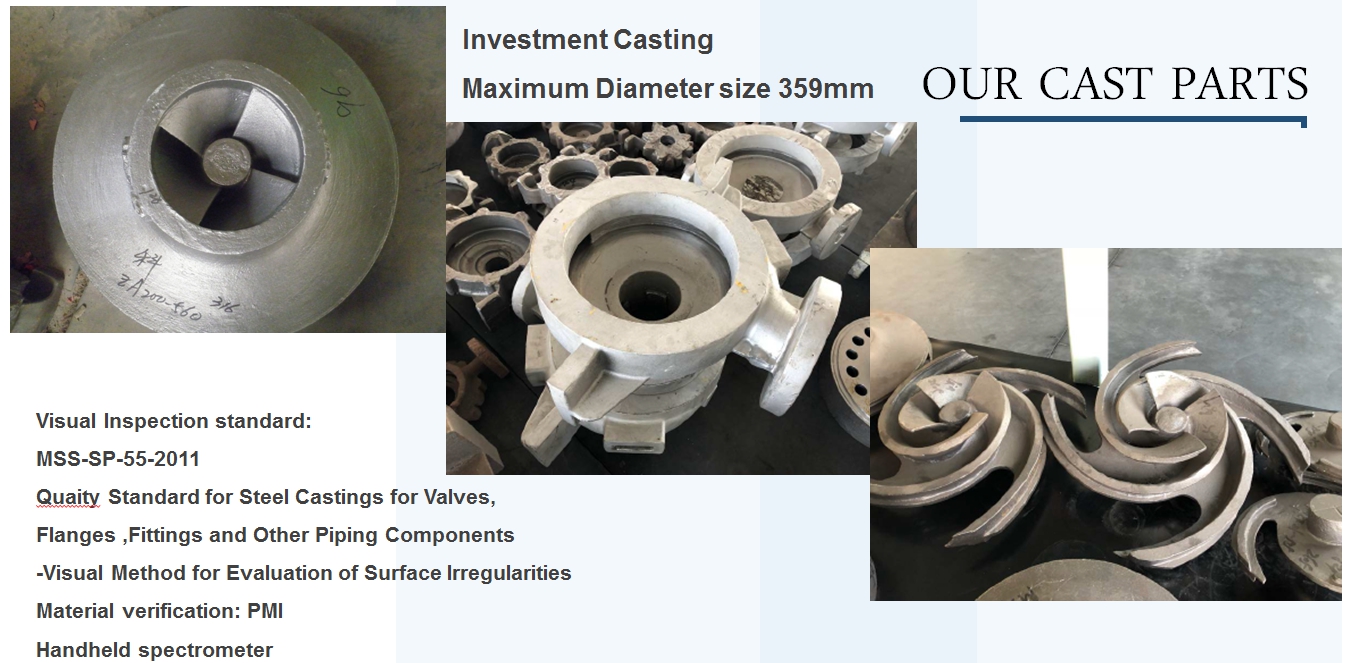
Casting Capability: Equipped with a variety of refining facilities, including vacuum induction furnaces, VOD furnaces, AOD furnaces, and LF furnaces, the annual casting capacity reaches 40,000 metric tons, with a maximum single-piece weight of 25 metric tons.
Machining Capabilities: We operate more than 300 CNC lathes of various types and a wide range of large and medium-sized CNC machine tools and machining centers, including brands such as OKUMA, OKK, MAZAK, and DAWOO.
Horizontal machining centers, turning centers, vertical machining centers, boring-milling centers, and Mori Seiki horizontal precision machining centers. Annual machining capacity reaches 2 million hours.
Testing Capabilities: Equipped with open-loop and closed-loop test circuits suitable for 380 V, 3,300 V, 6,000 V, and 10,000 V systems, capable of testing motors up to 5,000 kVA.
This open-type test rig is 12 meters deep and has a volume of 3,600 cubic meters, capable of meeting the testing requirements for most centrifugal pumps and systems.
Annual production capacity: an average of 8,000 pumps per year, including centrifugal pumps, canned motors pumps, reciprocating pumps, screw pumps, and high-speed pumps.
System Integration: Conduct system integration design and consolidation based on product specifications, operating conditions, industry standards, and customer branding requirements.
● Auxiliary equipment: lubrication system, sealing system, flushing system, coupling, etc.
● Drive systems: electric motors, steam turbines, diesel engines, hydro turbines, etc.
● Control System: pressure control, temperature control, vibration monitoring, lubrication monitoring, and leak detection, among others.
● Electrical control systems: DCS, MCC, MMS, VFD, and LCP, among others.
Workshop Equipment: Equipped with a complete production line spanning raw-material laboratory testing, component manufacturing, machining, pump-body assembly, nondestructive testing, dynamic balancing, performance testing, coating, and packaging.
● The workshop covers an area of 20,000 square meters and is equipped with a bridge crane capable of lifting 32 tons with a clear headroom of 12 meters.
● The balancing equipment has a precision of G1.0.
● A performance test circuit capable of withstanding voltages of 380 V, 3,300 V, 6,000 V, and 10,000 V, equipped with a motor rated at up to 5,000 kW, and featuring an A-class-accuracy automated data acquisition and processing system.
Related Business


You are welcome to consult with us on our products
Contact Information
Xiajiahe Village, Ge Zhen Bao Street, Ganjingzi District, Dalian City (Golf)
Quick Navigation
Copyright©2023 Dalian No.1 Corrosion Resistant Pump Factory
Right online agent component